New Sony APS-C Survey Hints at Renewed Development


A reader contacted me about an APS-C survey he recently revived from Sony as an a6xxx series camera owner and it might be an indication of Sony starting to fulfill their promise to continue the development of their develop APS-C system. The survey wanted to know details like what would you want on an a6xxx successor, how important is video to you, and what lenses do you currently own.

Sony was also interested in how users became aware of their APS-C cameras and what cameras they might have been compared too. So basic marketing stuff from that point on, but Sony definitely seems to be making an effort.

Maybe the a6700 will be more of the same with a future a7000 or some other model bringing us something completely new. A lot of users like larger more professional bodies and the success of the rather large Fujifilm X-H1 proves that not everyone buying mirrorless APS-C wants a small body. If Sony gets serious about APS-C Fujifilm should be worried.

Posted in Sony a6000, Sony a6300, Sony a6500| Tagged | Leave a comment

Meyer-Optik-Görlitz Launches Nocturnus III 50mm f0.95 For Sony E-Mount


Nocturnus III 50mm f0.95

Press-Releasse

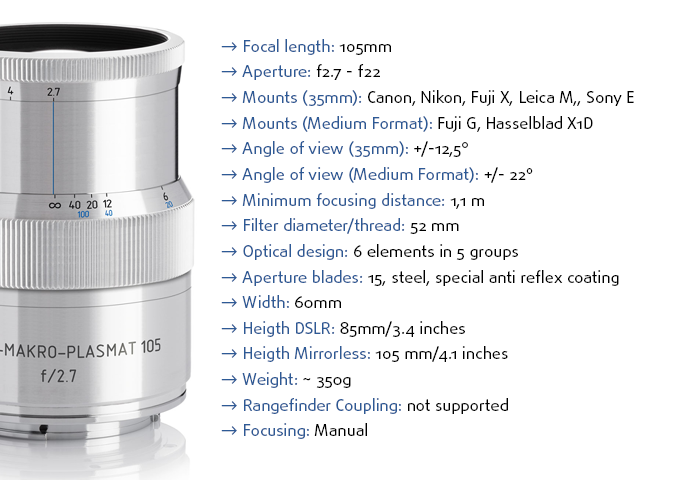
The third edition of the Meyer-Optik-Görlitz Nocturnus 50 mm f0.95, which is known for its exceptional light intensity comes in a new design and features now mounts for Sony-E, Fuji-X and Leica-M. The lens is currently available through a pre-sale campaign on the manufacturer’s website.

Koblenz, 3-28-2018

Meyer-Optik has just announced the launch of the Nocturnus III 50 f0.95. The super-fast manual-focus lens is optimized for use with full-frame sensors, but also works with APS-C cameras. The third edition comes in a new design and now features mounts for Sony-E, Fuji-X and Leica M. Within the next 14 days, the lens is offered in a pre-order sale, where it is available for less than 60% of its future MSRP.

Like its predecessor, the new Nocturnus comes with a focal length of 50 mm and an aperture range from f0.95 to f11. Thus, the lens features a lot of versatility both when shooting in available light conditions and in terms of depth-of-field. Its 15 aperture blades with anti-reflective coating, make the new Nocturnus III 50 f0.95 a unique tool to create a pleasant bokeh with circular highlights whilst creating great sharpness in the focused areas.

The new Nocturnus has a minimum focus distance of 50 cm and weighs 790 grams.

The new mechanical design of the Nocturnus III makes this lens also an interesting option for videography: Manual focus control and the step less aperture ring operate almost silently.

Technical Specifications:

  • Focal length: 50 mm
  • Aperture: f0.95-11
  • Angle of view: 23°
  • Minimum focusing distance: 50 cm
  • Filter diameter: 67 mm
  • Optical design: 10 elements in 7 groups
  • Aperture blades: 15, steel, special anti-reflex coating
  • Weight: 790 g
  • Color: Black or Silver

Follow this link to see Meyer-Optik’s pre-sale campaign:
http://info.meyer-optik-goerlitz.com/nocturnusiii_presale

Please follow this link to download sample and product shots:
https://www.dropbox.com/sh/zm4gj8dpzx83apl/AABdu-OCBT8q0n7HV_D8OfoQa?dl=0

Posted in 3rd Party Lens| Tagged , | Leave a comment

FastrawViewer Monochrome2DNG 0.8 Released For Monochrome Converted Cameras


FastrawViewer released Monochrome2DNG 0.8 for processing RAW files from monochrome converted cameras like the ones made by monochromeimaging.com they currently convert a variety of Sony full frame and APS-C cameras. This software creates a true monochrome RAW file from the color raw file.

  • It takes input files from cameras that have been converted to monochrome.
  • It then saves it as “truly” monochrome DNG files, suitable for using with popular converters that support the DNG format (that is to say, almost all of them).
  • With this:
  • One can turn on automatic “monochrome” recognition and convert only the files from converted cameras (so one can process a large archive that has both color and monochrome files in it quickly, in one pass).
  • Automatic mosaic pattern suppression is supported (output files will not have 1-pixel grid patterns)
  • Several formats for output DNG are supported, which allows one to use their RAW converter optimally.
  • Filter input files by Vendor/Model/Camera serial to process large archives faster.

You can download Monochrome2DNG 0.8 here.

Posted in Software| Tagged , | Leave a comment

DPReview Tamron interview


DPReview Interviewed Tameron at CP+ 2018 and I have summarized the key points below.

  • The Tamron 28-75mm f/2.8 Di III RXD is an all new design
  • It took around one year to develop
  • The market is moving towards mirrorless
  • Sony is the biggest mirrorless camera, maker
  • Tamron hopes to make small high-quality lenses since there aren’t many available right now.
  • Took a jab at Sigma using their old lens designs.
  • Tamron will use lens designs made for FE going forward.
  • Mirrorless is good for photos and video
  • The 28-75mm has a stepping motor that is good for video.
  • When Canon and Nikon go mirrorless in the near future it’s likely that Tamron will adapt their FE designs for their mount.
  • The 28-75mm is polycarbonate and will have SP performance.
  • The 28-75mm is weather resistant.
  • Tamron wants to be recognized as a high-quality brand
  • Tamron tries to balance size and optical quality
  • Tamron doesn’t emphasize automation and sometimes manual assembly is better.
  • The DSLR audience is already in decline while mirrorless is growing.

Tamron 28-75mm Di III RXD FE

via DPReview

Posted in 3rd Party Lens| Tagged , , , | Leave a comment

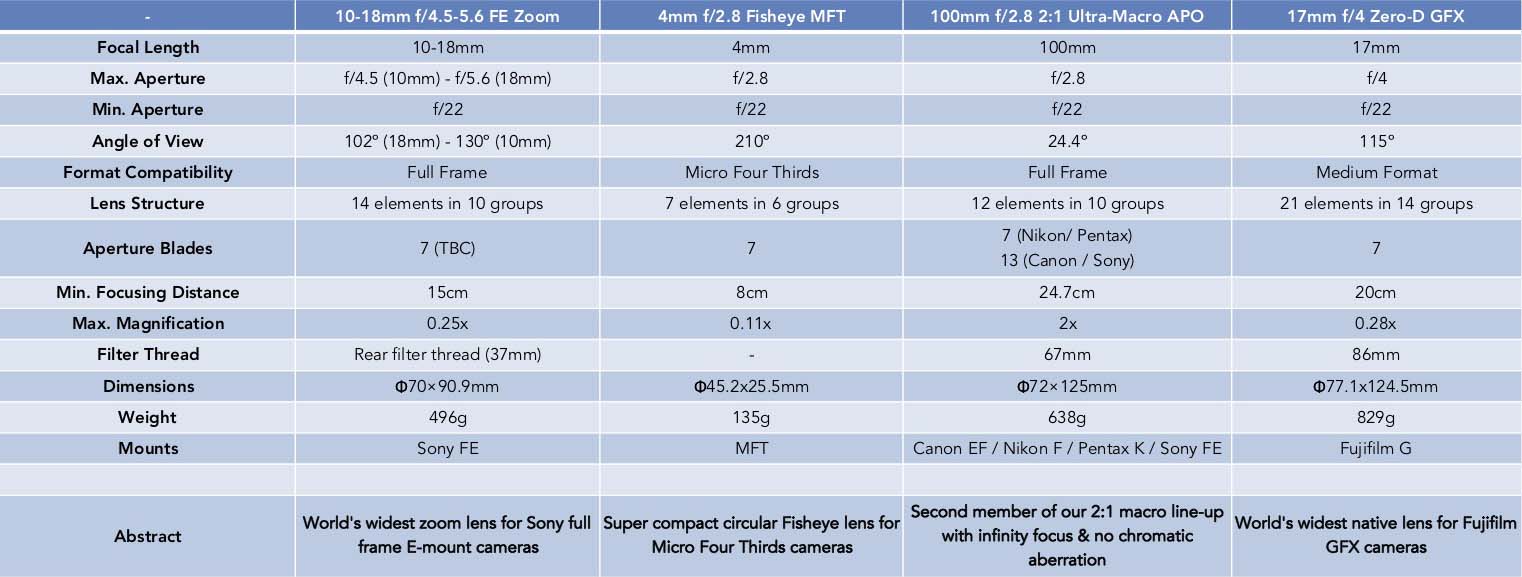
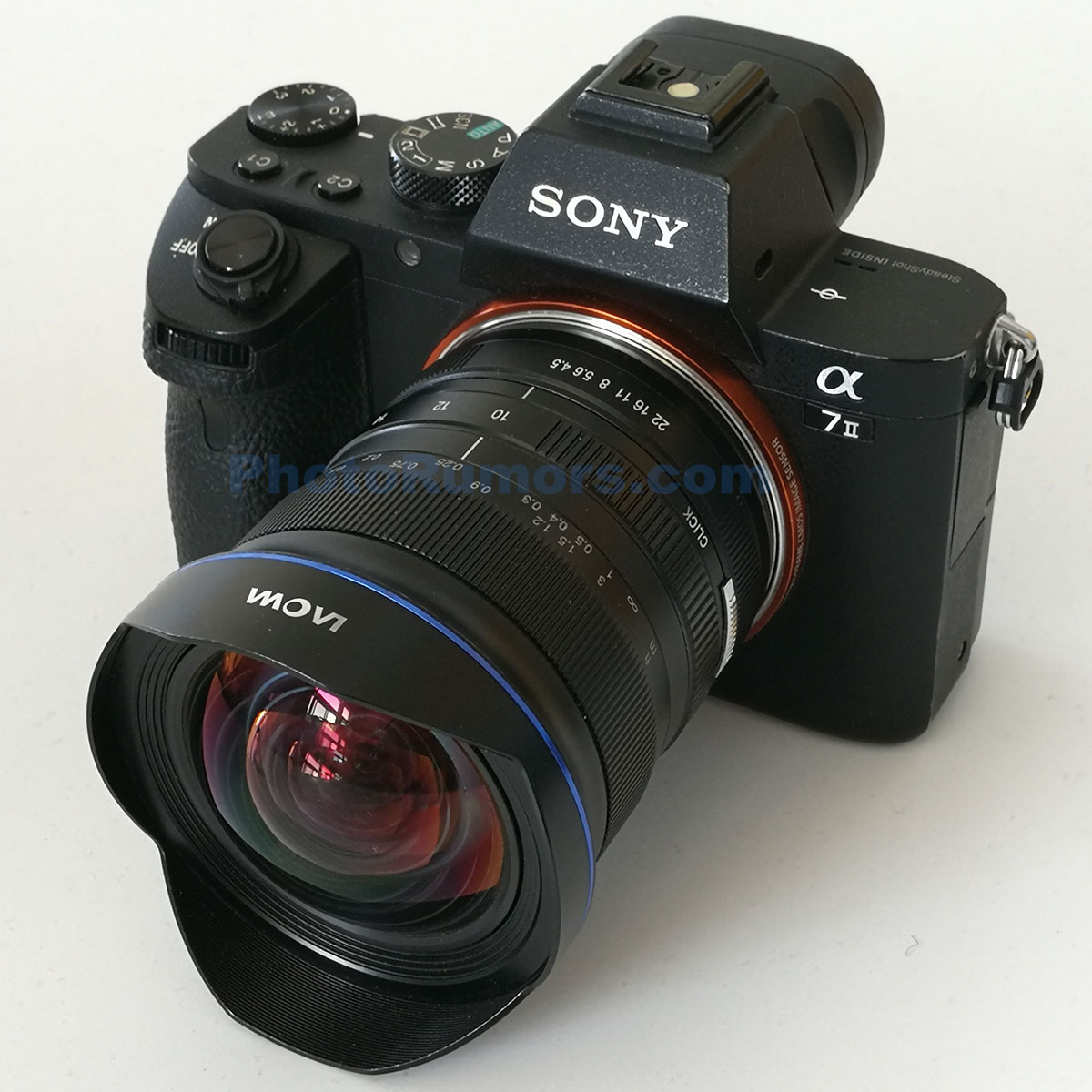
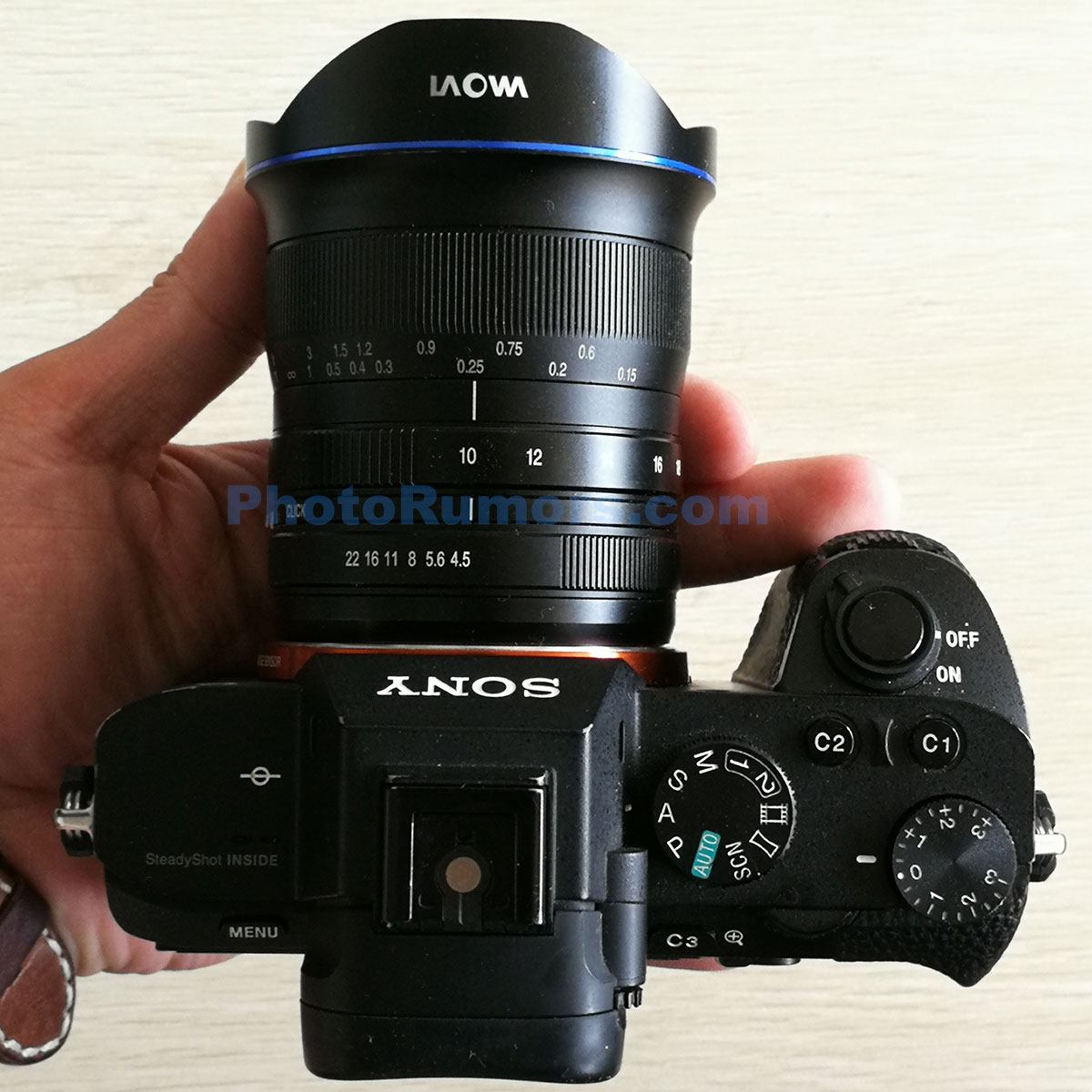
Laowa 9mm f/2.8 Zero-D Reviews and More Pre-Order Options


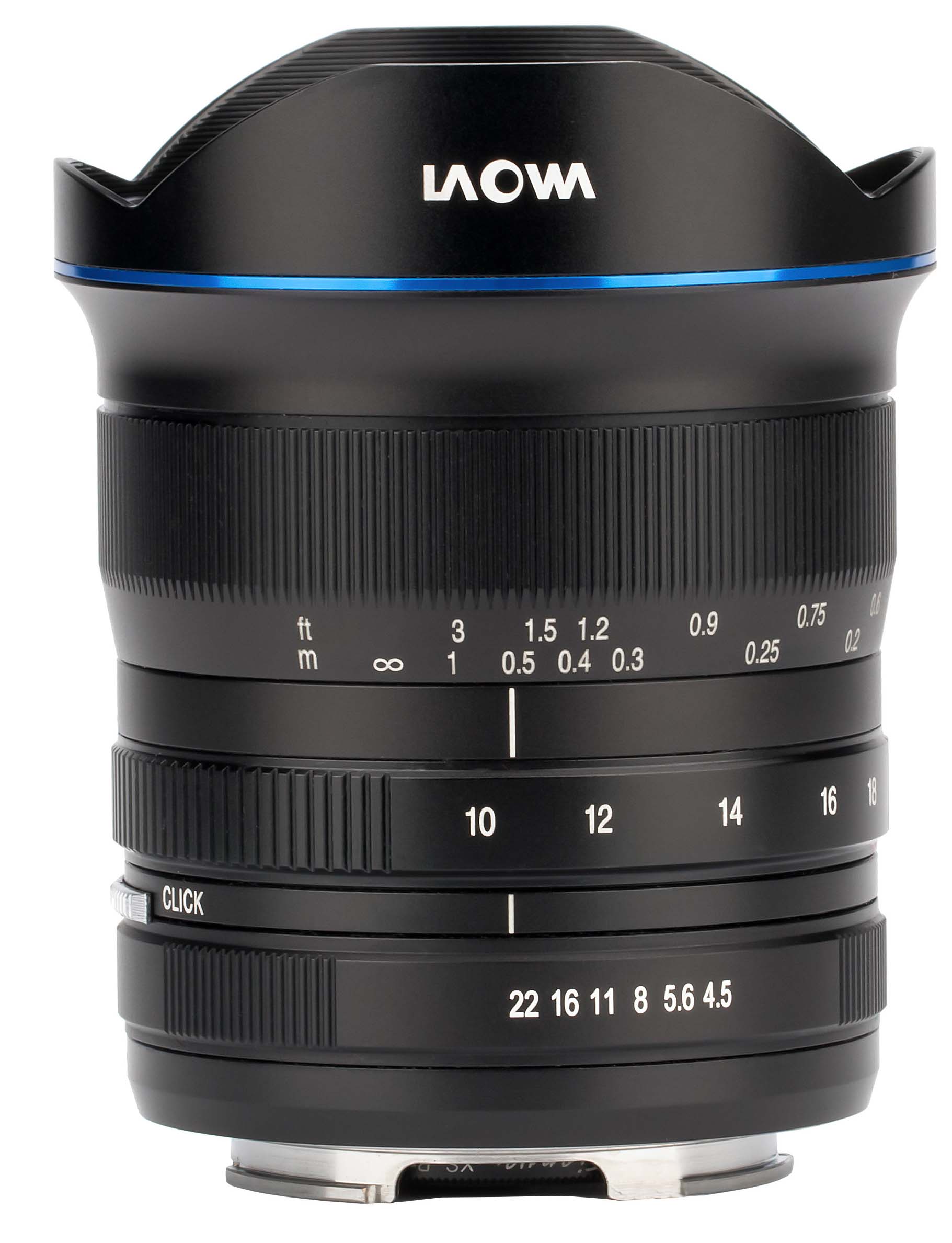
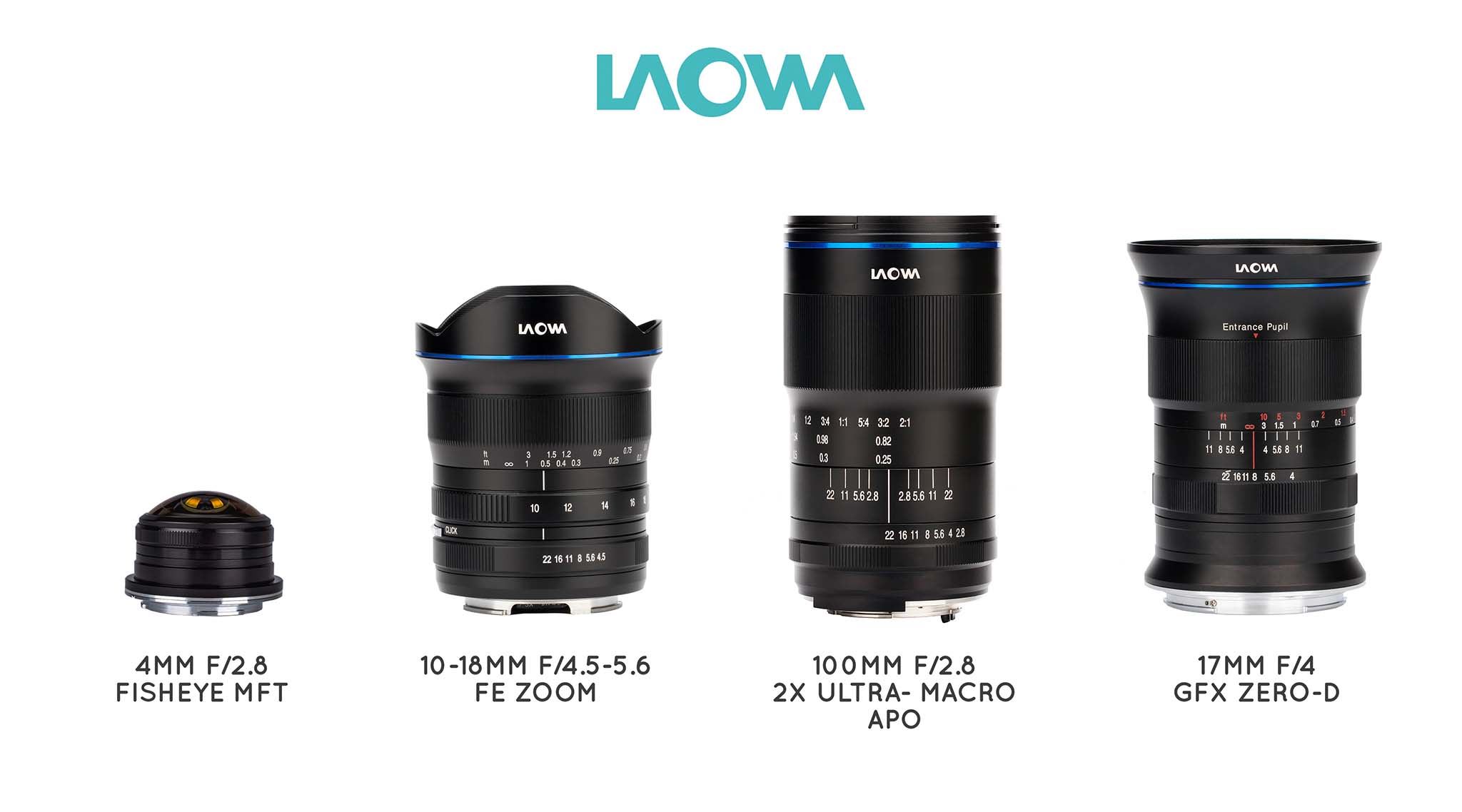
The Laowa 9mm f/2.8 Zero-D can now be pre-ordered from VenusOptics / B&H Photo / Adorama and soon at Amazon.

opticallimits

Extreme ultra-wide lenses are never perfect. Keeping this in mind the Laowa is pretty good indeed. It’s super-sharp in the image center and if you avoid f/2.8, the borders/corners are decent. Lateral CAs are generally not an issue. Image distortions are extremely low for a lens of this focal length – and that’s without image auto-correction. The primary weakness is vignetting which is rather extreme at max aperture. However, at medium aperture settings, it’s a lesser issue outside of lab conditions. Flare in strong contra-light can produce quite a bit of glare – a generally weaker aspect in Laowa lenses it seems.

The Laowa 9mm f/2.8 Zero-D may have some shortcomings but that being said we really enjoyed using the lens out there. In real life, the fully manual character wasn’t really an issue. Given the depth-of-field of a 9mm lens you can pretty much guess the focus distance and if needed for close-ups, you can just use magnified focus view in your camera. For most of us, a 9mm lens is quite exotic already thus it shouldn’t be a burden when carrying it. The form and size factor is pretty perfect if these are your constraints as well. We heard that the Laowa 7.5mm f/2 MFT is pretty popular among the drone folks. The 9mm f/2.8 Zero-D has the potential to do the job (and more) on APS-C mirrorless cameras.

thephoblographer

Pros

  • Decent image quality
  • Sharp
  • Keeps the distortion down a whole lot
  • With a lens like this you’re either focusing up close and personal or far away. There is no in between.

Cons

  • The colors are just adequate. There’s no spark!
  • Distortion around the corners is a bit annoying.


Posted in 3rd Party Lens| Tagged , , , | Leave a comment

Photons to Photos: Sony a7III Final Results and They Are Somewhat Shocking


I am not a big fan of some of the other sponsored sites out there because many of them get big money to promote cameras and even though I run sites with addict in the title I do not play with the numbers to make companies happy and I give my honest opinion on cameras. That being said I believe that Photons to Photos is the single best source for non-bias no bs sensor measurements on the web outside of maybe The Last Word run by Jim Kasson, but he doesn’t keep a comparative database.

Now that you know where Photons to Photos stands I am kind of shocked that the a7III seems to be slightly ahead of the a7RIII throughout much of the ISO range. Maybe Sony should have put a new sensor in the Sony a7RIII, because I am sure some owners will not be happy with the Sony a7III performing slightly above the a7RIII. The read noise win for the a7III isn’t surprising and it probably played a factor in the cameras great dynamic range performance throughout the ISO range, but still the Sony a7RIII seems to only have a resolution advantage now and a few better features like the higher resolution viewfinder. You can manipulate the dynamic range results here and the read noise results here.

Camera ModelMaximum
PDR
Low Light
ISO
Low Light
EV
Sony ILCE-7M311.60642011.00
Sony ILCE-7RM311.65578710.85
Sony ILCE-7RM211.16386310.27

Join our Sony a7 Owners Group and Sony a7 Page, also follow SonyAddict on Facebook and Twitter.

Sony a7III: B&H Photo / Amazon / Adorama

Posted in Sony a7 II, Sony a7III, Sony a7RIII| Leave a comment