Sony Venice 2: B&H Photo / Amazon
New Venice 2 also features compact body design, Internal X-OCN recording and ability to interchange sensors between models to further enhance its operability and versatility
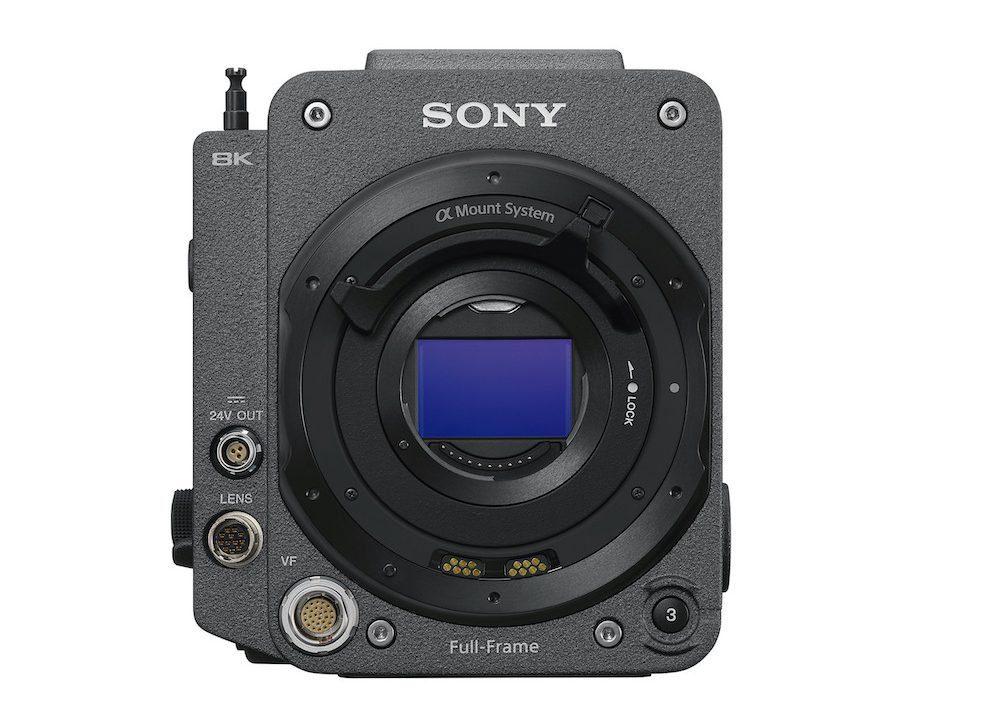
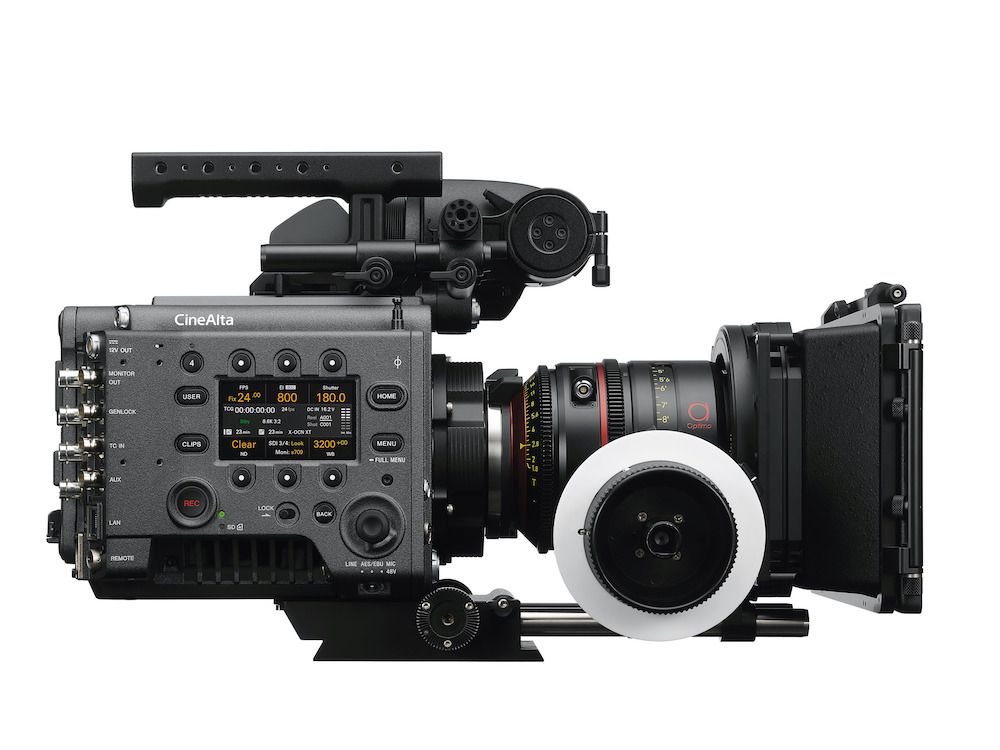
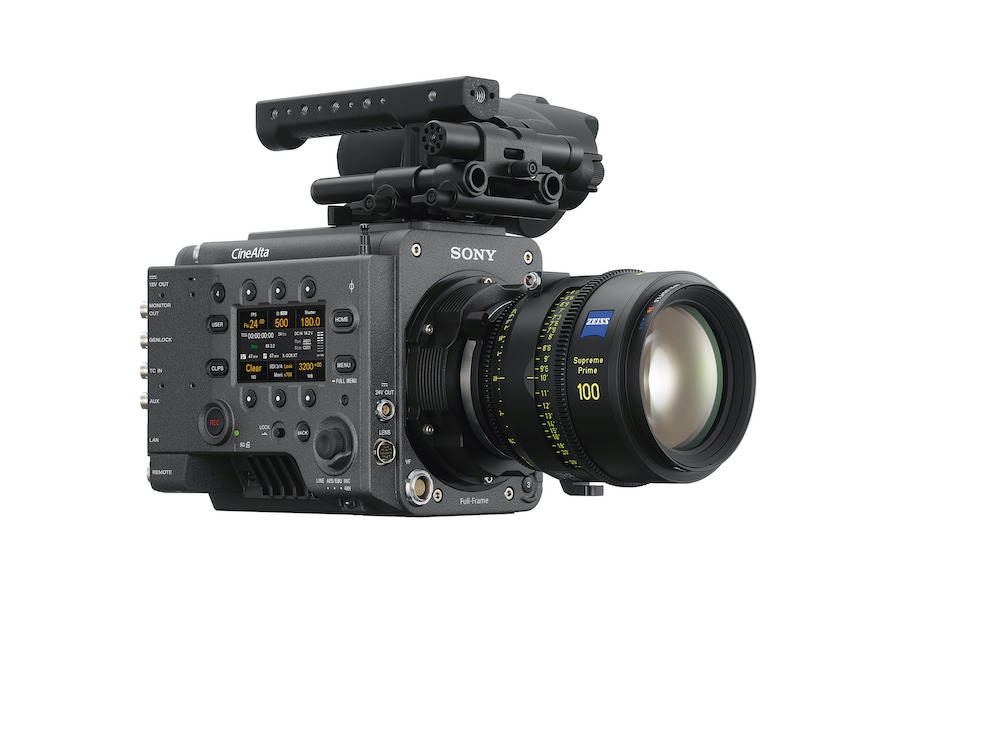
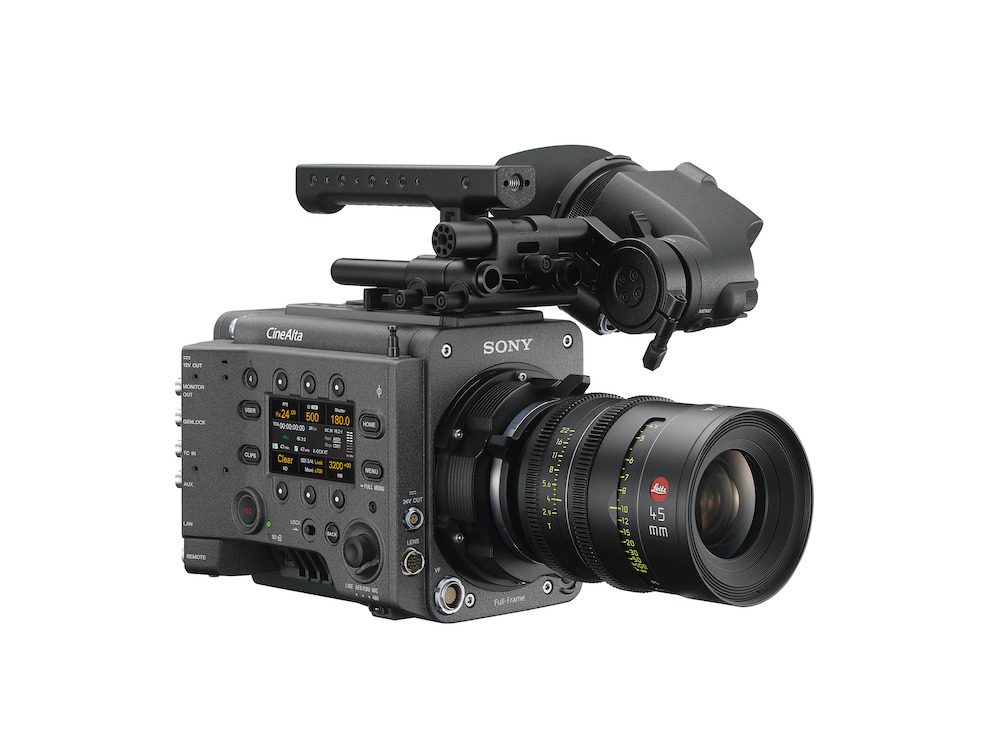
Today, Sony introduces Venice 2, the new flagship model and latest addition to its lineup of high-end digital cinema cameras. The Venice 2 builds upon the strength of the original Venice with new features including a compact design, internal recording and the option for two different sensors: the newly developed full-frame 8.6K sensor or the original 6K Venice sensor. The Venice 2 also inherits popular features from the original Venice including colour science, Dual Base ISO and 8-stops of built-in ND filters.
New Sensor Translates into Extraordinary Image Quality and Incredible Low-light Sensitivity
Paired with a newly-developed 8.6 K (8640 x 5760) full-frame CMOS sensor, the Venice 2 offers excellent image quality with 16 stops of total latitude[i] to capture beautiful images with excellent colour separation and shadow detail. The camera also inherits its colour science from the original Venice which is highly regarded for its natural skin tones. The VENICE 2 CineAlta camera has a unique dual base ISO of 800/3200[ii] which allows filmmakers to capture incredibly clean, film-like images under a wide range of lighting conditions. It supports everything from full-frame, full-frame anamorphic[iii] to Super 35mm all at a minimum of 4K resolution, resulting in an outstanding and versatile camera system for cinematographers and productions.
To illustrate the strength of the Venice 2 and its new 8.6K sensor, Sony worked with the industry’s top cinematographers to test the camera’s image quality on two separate film shoots without using any professional movie lighting.
Award-winning cinematographer Robert McLachlan ASC CSC, who has worked on highly acclaimed productions Game Of Thrones (for which he received two Emmy nominations), Westworld and Lovecraft Country. McLachlan tested and filmed with the new 8.6K full-frame Venice 2 in two countries and offered his reaction.
“I really wish we’d had a large format, 8.6K sensor like Sony Venice 2 on Game Of Thrones. It would have made it feel even more epic and, at the same time, more engaging, thanks to the increased resolution, richness, and dimensionality. The increased speed, cleaner highlights, and shadows together with the potential for super-shallow depth of field would have been a huge asset.”
Oscar-winning cinematographer Claudio Miranda ASC ACC used the original Venice on Top Gun: Maverick and tested the Venice against the original in the pitch darkness of the California desert. He offered this assessment:
“The 3200 ASA is incredible. I think how clean it is – is definitely a big deal,” said Miranda. “In the film, there is still fidelity in the shadows, and the wide shots are pretty spectacular. There were no film lights on this shoot at all. There were just headlights of the car, the fire, and that was the point. It was to go to the middle of nowhere and put a big fire and see how far the new sensor could light up the mountain, without noise.”
Rob Hardy BSC, the British cinematographer known for his ground-breaking work on Mission Impossible: Fallout, Ex-Machina, DEVS and winner of the BAFTA for cinematography for Boy A, amongst others, also commented:
“I’m used to using the original Venice and I would say, I am a pretty much an advocate of that camera. The opportunity to use this Venice 2 is actually a really fantastic one. This is the first time I’ve ever used that larger sensor, the 8.6K and we were lucky enough to get some anamorphic lenses that were set for the full cinematic effect and that really utilised that whole sensor. The ISOs have been bumped up so that enables me to shoot at a higher speed in the low light levels which is something what wasn’t really an option before, and that’s the big gain for me.”
With the 8.6K sensor providing ample oversampling, images shot on Venice will benefit from less noise and enriched information in a 2K or 4K production. It also means the camera is well suited for VR, in camera VFX and Virtual Production setups, delivering an immersive experience and realistic images, especially in combination with Sony’s high-contrast and large-scale Crystal LED displays. Read More »