DPR: Sony a7IV Studio Scene Test


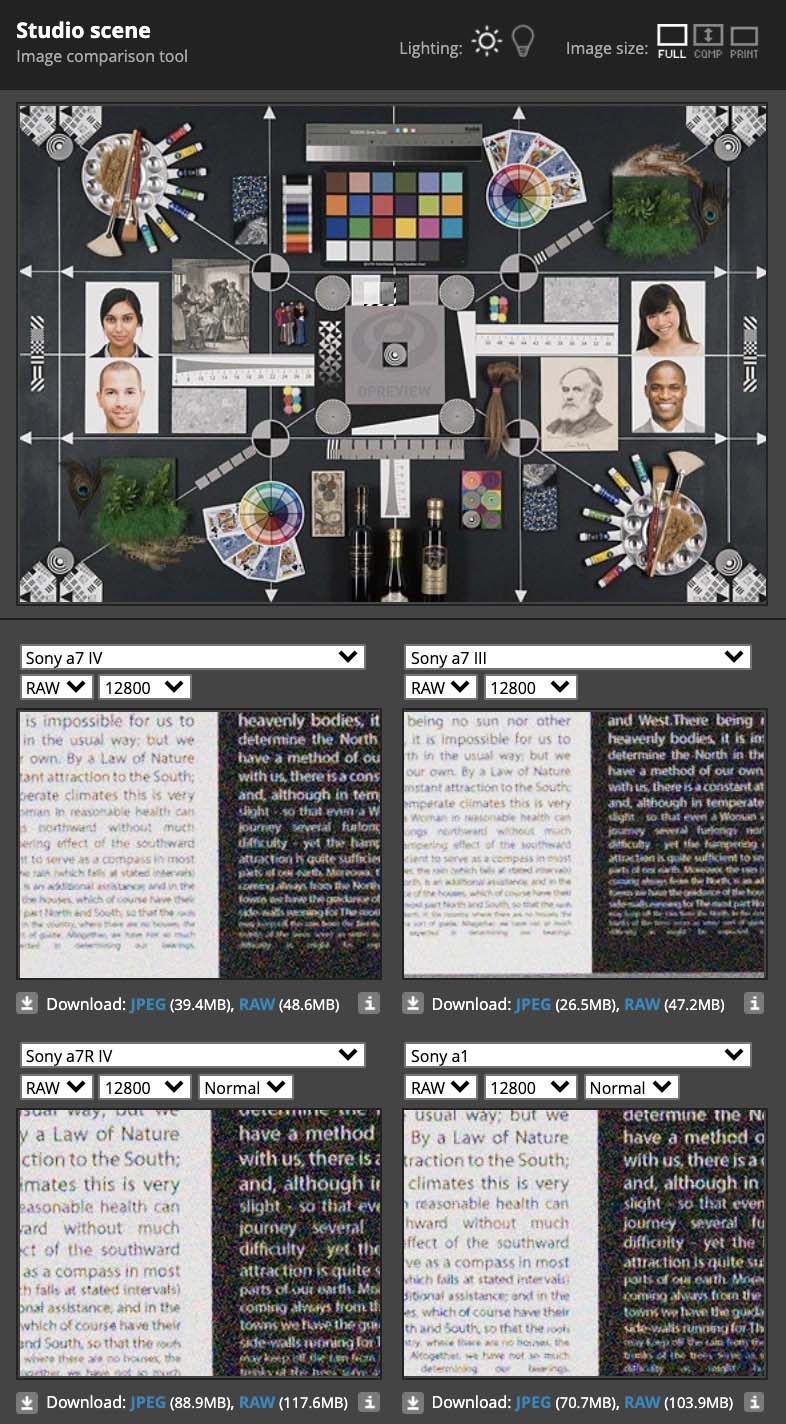
The Sony a7IV has been added to DPReview’s studio scene test which you can view for yourself here. It looks like Sony’s new 33MP sensor has pretty good noise performance, but sensor performance has started to equalize in the noise department this year with almost all sensors above 24MP performing very similarly to Sony’s best 24MP sensor when scaled to similar dimensions. This isn’t a bad thing, but unless you’re shooting around base ISO you’re camera’s additional megapixels are kind of wasted.

Sony a7IV: B&H Photo / Amazon / Adorama
Sony a7III: B&H Photo / Amazon / Adorama
Sony a7RIVa: B&H Photo / Amazon / Momentum / Adorama
Sony A1: B&H Photo / Amazon / Moment / Adorama

Posted in Sony A1, Sony a7III, Sony a7IV, Sony a7RIV| Leave a comment

Optical Limits: Sigma 100-400mm f/5-6.3 DG DN OS Contemporary Review – A Value King


Sigma 100-400mm f/5-6.3 DG DN OS:
B&H Photo / Amazon / Adorama

Optical limits posted their review of the Sigma 100-400mm f/5-6.3 DG DN OS Contemporary and you can read the entire review here or read the excerpts below.

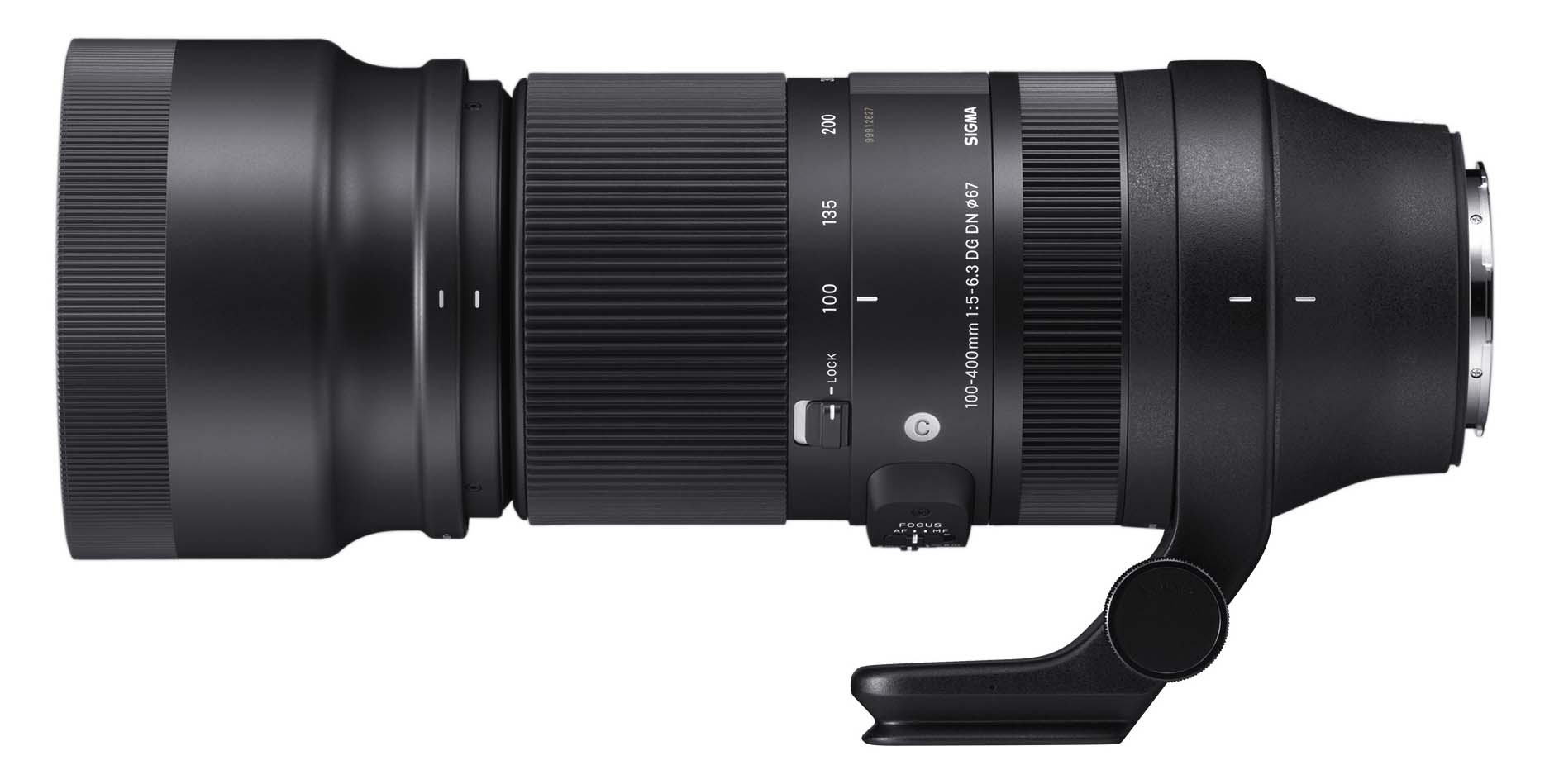
The Sigma 100-400mm f/5-6.3 DG DN OS Contemporary is a subtle improvement over the older DSLR version – both optically as well as mechanically. The image quality is primarily better at the wide end of the zoom range with a much higher sharpness in the outer image field. The high quality is maintained in the middle range. At 400mm, the center sharpness remains very good but there’s a drop in corner performance. Stopping down helps to broaden the really sharp zone. Keep in mind that the resolution has its limits because of the inevitable diffraction at f/6.3. Lateral CAs are low. Uncorrected image distortions are fairly high for a tele-zoom lens with a peak of 2% (pincushion style) at longer settings. This is, of course, not a drama with activated auto-correction. This also helps with vignetting which otherwise would be very visible at the long end as well. The quality of the bokeh is decent for a zoom lens albeit primes still rule the scene in this respect.The build quality of the Sigma lens is quite impressive for a consumer-grade lens. Plastics have been replaced by metal near the mount and there’s at least a mount-gasket providing some shielding against dust and moisture. Few will probably take advantage of this but it’s nice that Sigma provides the option of attaching a tripod mount. The AF is snappy and combined with the effective image stabilizer, it’s fun to use in the field – also because it’s relatively compact and lightweight for such a lens reaching 400mm.

The decent optical- and mechanical qualities don’t even cost a fortune either and, as so often with Sigma lenses, the 100-400mm f/5-6.3 DG DN OS Contemporary is an obvious value king. If you want higher quality, you’ll have to invest quite a bit more.

Follow SonyAddict on FacebookTwitterInstagram, and YouTube

Plus our owners’ groups
Sony a1 Owners Group
Sony a9 Owners Group
Sony a7 Owners Group

Posted in 3rd Party Lens| Tagged , , , , , | Leave a comment

Sony Holiday Savings Sunday


General Holiday Links
B&H Photo
Amazon
Adorama
Momentum

Sony Cameras Save up to $800

Sony FE Lenses Save up to $400

Sony E / NEX Lenses

Sony TV’s Save up to $700

Sony Other

Sony XQD/CFExpress/SD

Sigma Savings

Samyang Savings

Tamron Deals

SLR Magic Deals Save $150

LensBaby

Lighting

Atoms Save up to $500

Other Savings

Other Deals
Pelican Cases Discounted
Memory Card Savings
Power Banks

Battery Banks
Anker PowerCore Speed 20000 PD
PowerCore+26800 PD
other more affordable options

New Apple Mac Pro: B&H Photo
New Apple iPad Pro and More: B&H Photo / Adorama
New Apple iMac Pro: B&H Photo / Adorama
New Apple MBP: B&H Photo / Adorama
New Apple M1: B&H Photo / Amazon / Adorama
MacBook Pro (Savings still available): B&H Photo

Limited time iPad Pro Savings
iPad Pro Bundles: B&H Photo

Software Deals
Luminar Neo & Luminar AI & Luminar 4 & Aurora HDR 2019 (Savings code FUJIADDICT)
ON1 Photo RAW 2022
Photolemur
Picktorial
TopazLabs
Capture One

Posted in Deals| Leave a comment

Metabones Firmware Update V0.68 Now Available With a7IV Support


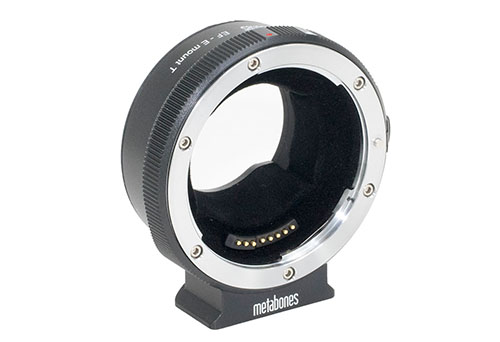
Metabones firmware update V0.68 for Metabones Smart Adapter IV/V and EF-E Speed Booster ULTRA 0.71x are now available.

ABOUT THIS DOWNLOAD

  • Name: Firmware update V0.68 for EF-E Smart AdapterTM MARK IV/V and EF-E Speed Booster® ULTRA
  • Release date: 14 Dec 2021
  • Benefits and improvements:
    • Support Sony ⍺7 IV.
    • Fixed purple-coloured lines/black image captured with Sony ⍺7R II camera.

Windows: Download Here
Mac: Download Here

Sony a7IV: B&H Photo / Amazon / Adorama

Posted in 3rd Party Lens, Firmware updates| Tagged , , , , , , , , , , | Leave a comment

New Viltrox 35mm f/1.8 Full Frame Now Available From B&H Photo


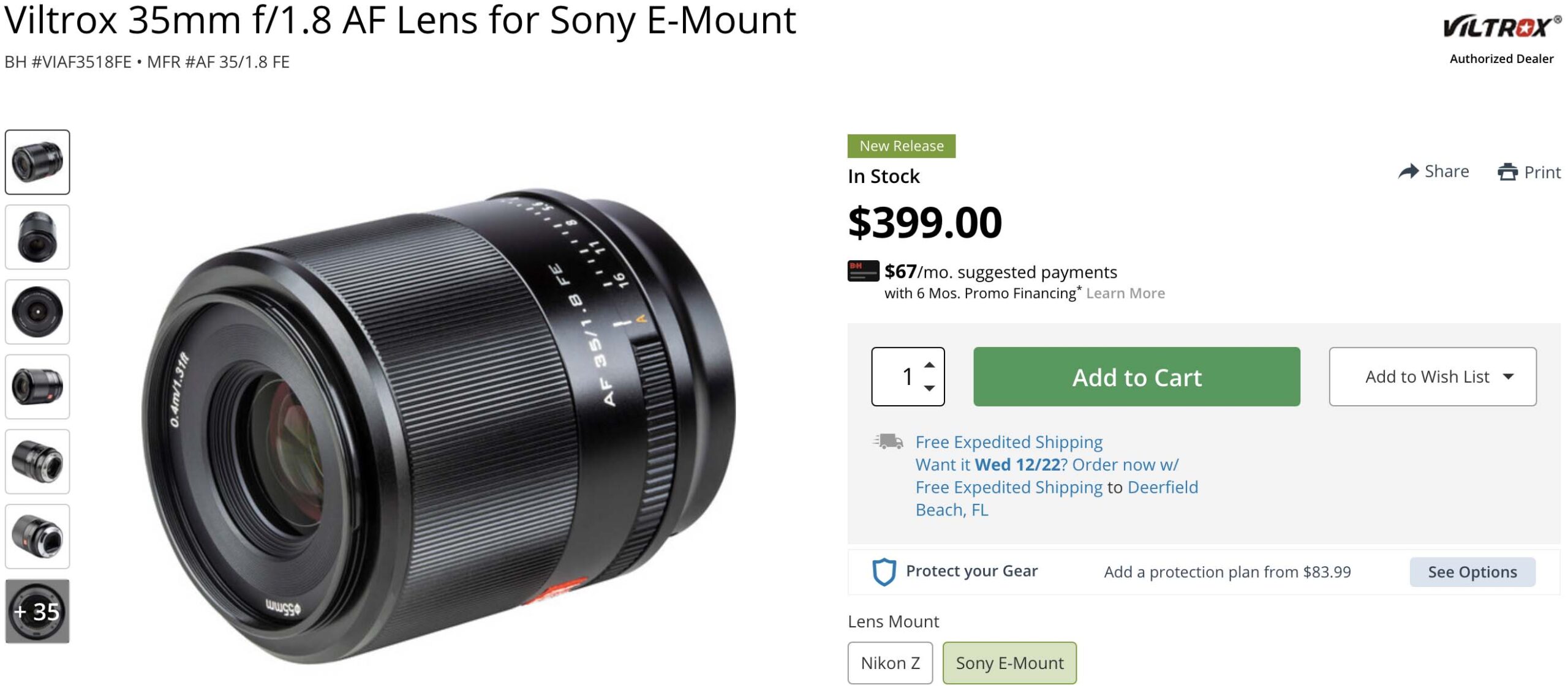
The Viltrox 35mm f/1.8 just launched and it is now available and in stock at B&H Photo.

Viltrox 35mm f/1.8: B&H Photo / Amazon

Posted in 3rd Party Lens| Tagged , , | Leave a comment

Sony Develops World’s First Stacked CMOS Image Sensor Technology


Sony Develops World’s First*1 Stacked CMOS Image Sensor Technology with 2-Layer Transistor Pixel Widens Dynamic Range and Reduces Noise by Approximately Doubling*2 Saturation Signal Level*3

Sony Semiconductor Solutions Corporation

*1: As of announcement on December 16, 2021.

*2: Based on comparison, on a one square μm equivalent basis, between existing image sensor and the new technology applied to Sony’s back-illuminated CMOS image sensor; as of announcement on December 16, 2021.

*3: A single pixel’s maximum electron storage capacity.

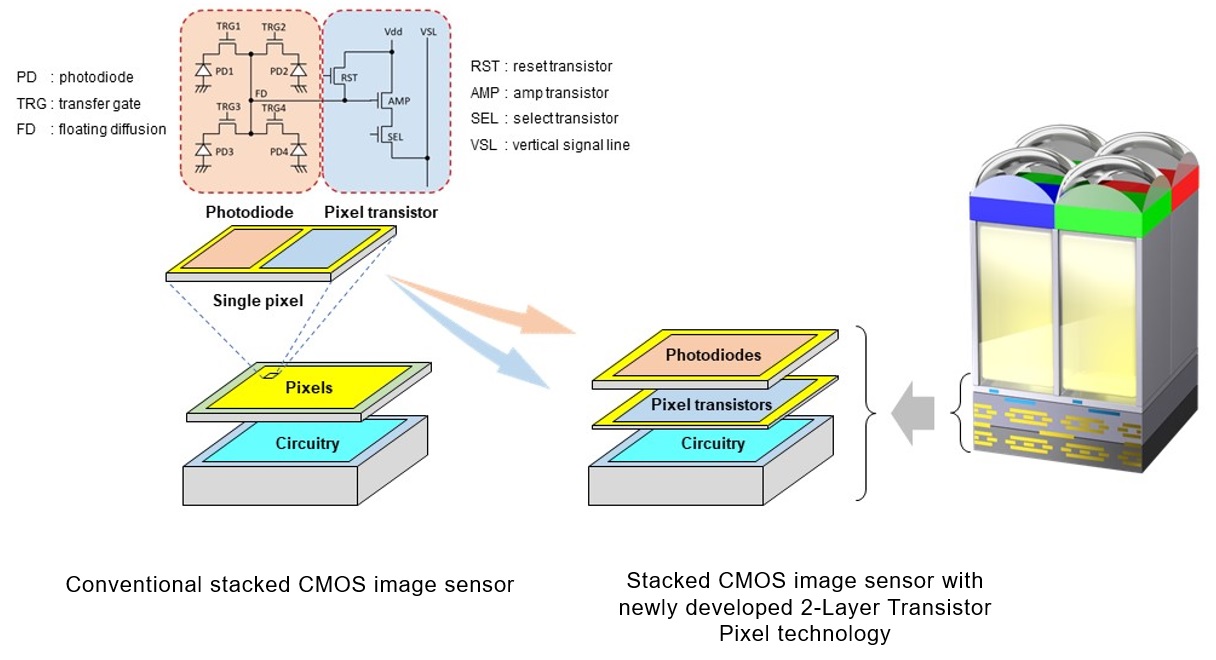
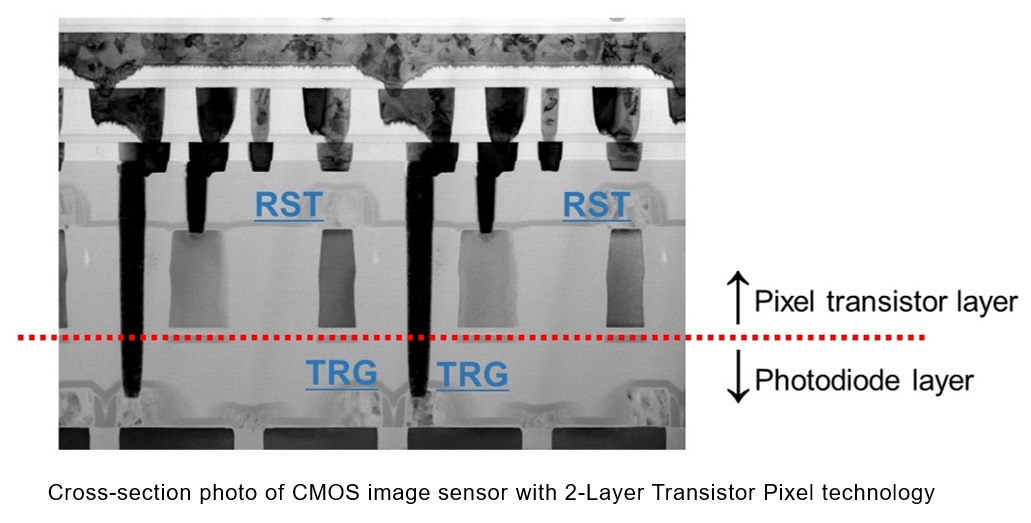
Sony Semiconductor Solutions Corporation (“Sony”) has succeeded in developing the world’s first*1 stacked CMOS image sensor technology with 2-Layer Transistor Pixel. Whereas conventional CMOS image sensors’ photodiodes and pixel transistors occupy the same substrate, Sony’s new technology separates photodiodes and pixel transistors on different substrate layers. This new architecture approximately doubles*2 saturation signal level*3 relative to conventional image sensors, widens dynamic range and reduces noise, thereby substantially improving imaging properties. The new technology’s pixel structure will enable pixels to maintain or improve their existing properties at not only current but also smaller pixel sizes.

Sony announced this breakthrough at the IEEE International Electron Devices Meeting that started on Saturday, December 11, 2021.

■ Stacked CMOS image sensor architectures


A stacked CMOS image sensor adopts a stacked structure consisting of a pixel chip made up of back-illuminated pixels stacked atop a logic chip where signal processing circuits are formed. Within the pixel chip, photodiodes for converting light to electrical signals, and pixel transistors for controlling the signals are situated alongside each other on the same layer. Increasing saturation signal level within form-factor constraints plays an important role in realizing high image quality with wide dynamic range.

Sony’s new architecture is an advancement in stacked CMOS image sensor technology. Using its proprietary stacking technology, Sony packaged the photodiodes and pixel transistors on separate substrates stacked one atop the other.
In conventional stacked CMOS image sensors, by contrast, the photodiodes and pixel transistors sit alongside each other on the same substrate. The new stacking technology enables adoption of architectures that allow the photodiode and pixel transistor layers to each be optimized, thereby approximately doubling saturation signal level relative to conventional image sensors and, in turn, widening dynamic range.

Additionally, because pixel transistors other than transfer gates (TRG), including reset transistors (RST), select transistors (SEL) and amp transistors (AMP), occupy a photodiode-free layer, the amp transistors can be increased in size. By increasing amp transistor size, Sony succeeded in substantially reducing the noise to which nighttime and other dark-location images are prone.

The widened dynamic range and noise reduction available from this new technology will prevent underexposure and overexposure in settings with a combination of bright and dim illumination (e.g., backlit settings) and enable high-quality, low-noise images even in low-light (e.g., indoor, nighttime) settings.

Sony will contribute to the realization of increasingly high-quality imaging such as smartphone photographs with its 2-Layer Transistor Pixel technology.

Posted in Press releases| Tagged | Leave a comment