


Search SonyAddict
Categories
- 3rd Party Cameras
- 3rd Party Lens
- Accessories
- Deals
- Drones
- Editorial
- Financial results
- Firmware updates
- How-to
- Patents
- Press releases
- Reviews
- Software
- Sony A1
- Sony a6000
- Sony a6100
- Sony a6200
- Sony a6300
- Sony a6400
- Sony a6500
- Sony a6600
- Sony a6700
- Sony a68
- Sony a6900
- Sony a7
- Sony a7 II
- Sony a7000
- Sony a7C
- Sony a7CII
- Sony a7CR
- Sony a7III
- Sony a7IV
- Sony a7R II
- Sony a7RIII
- Sony a7RIV
- Sony a7RV
- Sony a7RVI
- Sony a7S
- Sony a7S II
- Sony a7SIII
- Sony a7SIV
- Sony a7V
- Sony a9
- Sony a9II
- Sony a9III
- Sony accessories
- Sony E-mount adapters
- Sony Events
- Sony Interview
- Sony lenses
- Sony RX0
- Sony RX1
- Sony RX10
- Sony RX10 IV
- Sony RX10 V
- Sony RX100
- Sony RX1R II
- Sony RX1R III
- Sony ZV
- Sony ZV-E1
- Sony ZV-E10
- Sony ZV1
- Sony α99 II
- Third party lenses
- Uncategorized
- Video
- Xperia
- Zeiss
- Zeiss ZX1
Archives
Tags
7Artisans 20mm F/2.8 Di III OSD M1:2(Model F050) 24mm F/2.8 Di III OSD M1:2(Model F051) 35mm F/2.8 Di III OSD M1:2(Model F053) 70-180mm F/2.8 Di III VXD (Model A056) Canon Godox LAOWA Rokinon Samyang Sigma Tamron Tamron 17-28mm Di III RXD Tamron 17-28mm Di III RXD FE Tamron 17-28mm f/2.8 Tamron 17-28mm f/2.8 Di III Tamron 17-28mm f/2.8 Di III RXD Tamron 17-28mm f/2.8 Di III RXD FE Tamron 20mm f/2.8 Tamron 20mm F2.8 Tamron 24mm f/2.8 Tamron 24mm F2.8 Tamron 28-75mm Di III RXD Tamron 28-75mm Di III RXD FE Tamron 28-75mm f/2.8 Di III Tamron 28-75mm f/2.8 Di III RXD Tamron 28-75mm f/2.8 Di III RXD FE Tamron 35mm f/2.8 Tamron 35mm F2.8 Tamron 70-180mm f/2.8 Tamron 70-180mm f/2.8 Di III RXD Tamron 70-180mm f/2.8 Di III RXD FE Tamron 70-180mm f/2.8 FE Tamron 70-180mm F2.8 Tamron 70-180mm F2.8 Di III RXD Tamron 70-180mm F2.8 Di III RXD FE Tamron 70-200mm f/2.8 Di III RXD FE Tamron 70-210mm f/2.8 Di III RXD FE Tamron 75-200mm f/2.8 Di III RXD FE Tamron 75-210mm f/2.8 Di III RXD FE TTArtisan Venus Optics VILTROX VILTROX 85mm f/1.8 Voigtlander
Posted in Press releases Leave a comment
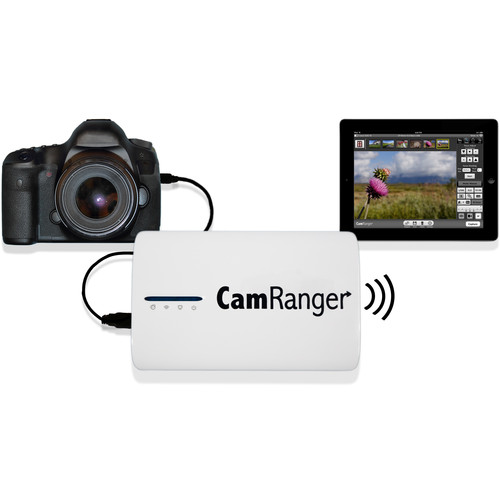
CamRanger 2 Adding Sony Support in 2019
Faster & Farther
With 802.11ac WiFi, the CamRanger 2 is over 5 times faster. Even the 802.11n WiFi is over 2 times. And the usable range is over 3 times farther.
Sony & Fuji Support
Nikon and Canon support will of course continue, but the CamRanger 2 will also support select Sony and Fujifilm cameras. We always said we would not offer support until we could do it in a way that works for professionals. Our new design removes previous limitations, limitations other wireless tethering devices suffer from.
New App Design and Features
Like the new CamRanger Mini software, the new apps have a newer, more modern feel based on customer feedback.
The new app is also packed with new features that we will be unveiling later.
Coming 2019….
CamRanger: B&H Photo / Amazon / Adorama
Via FujiAddict
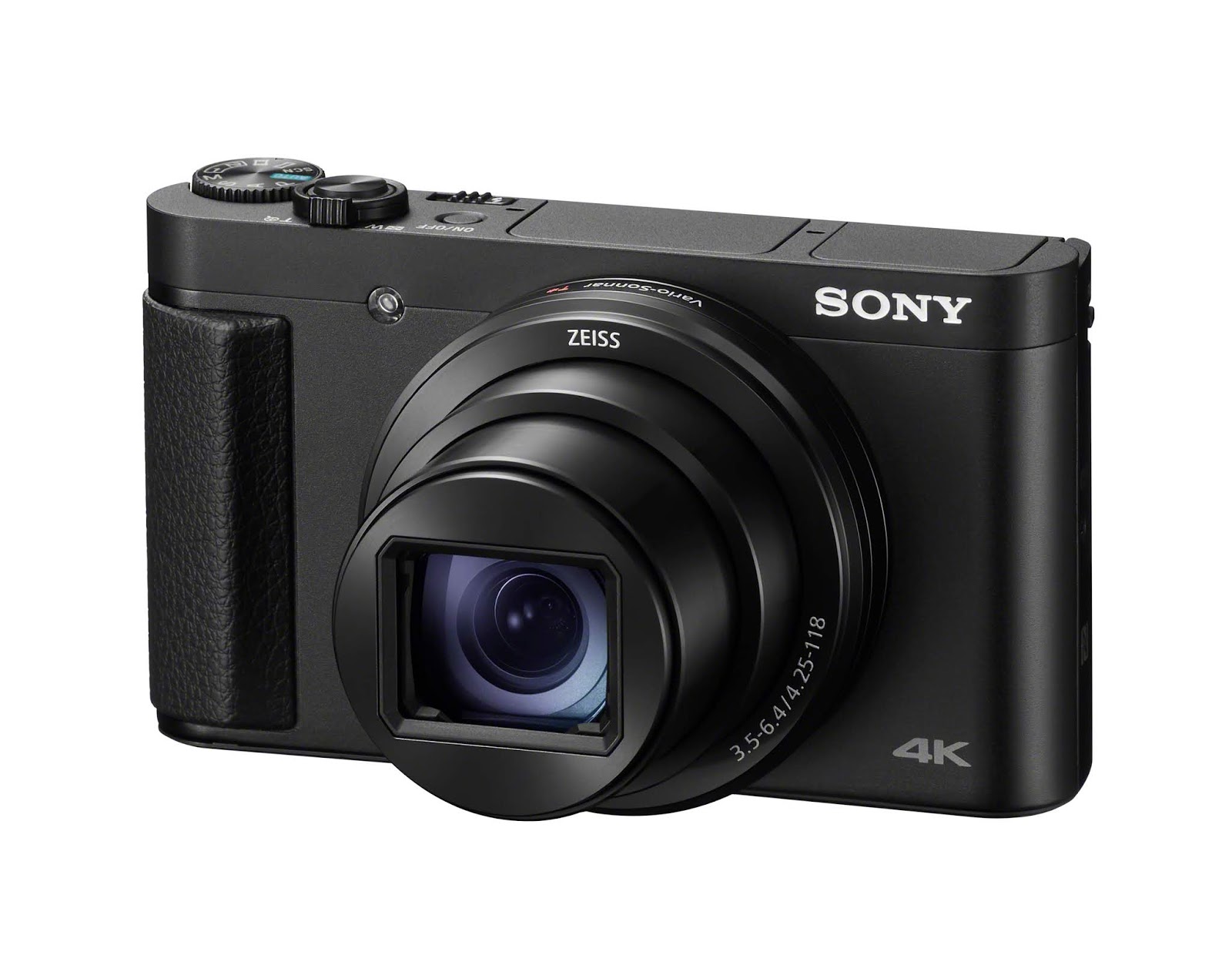
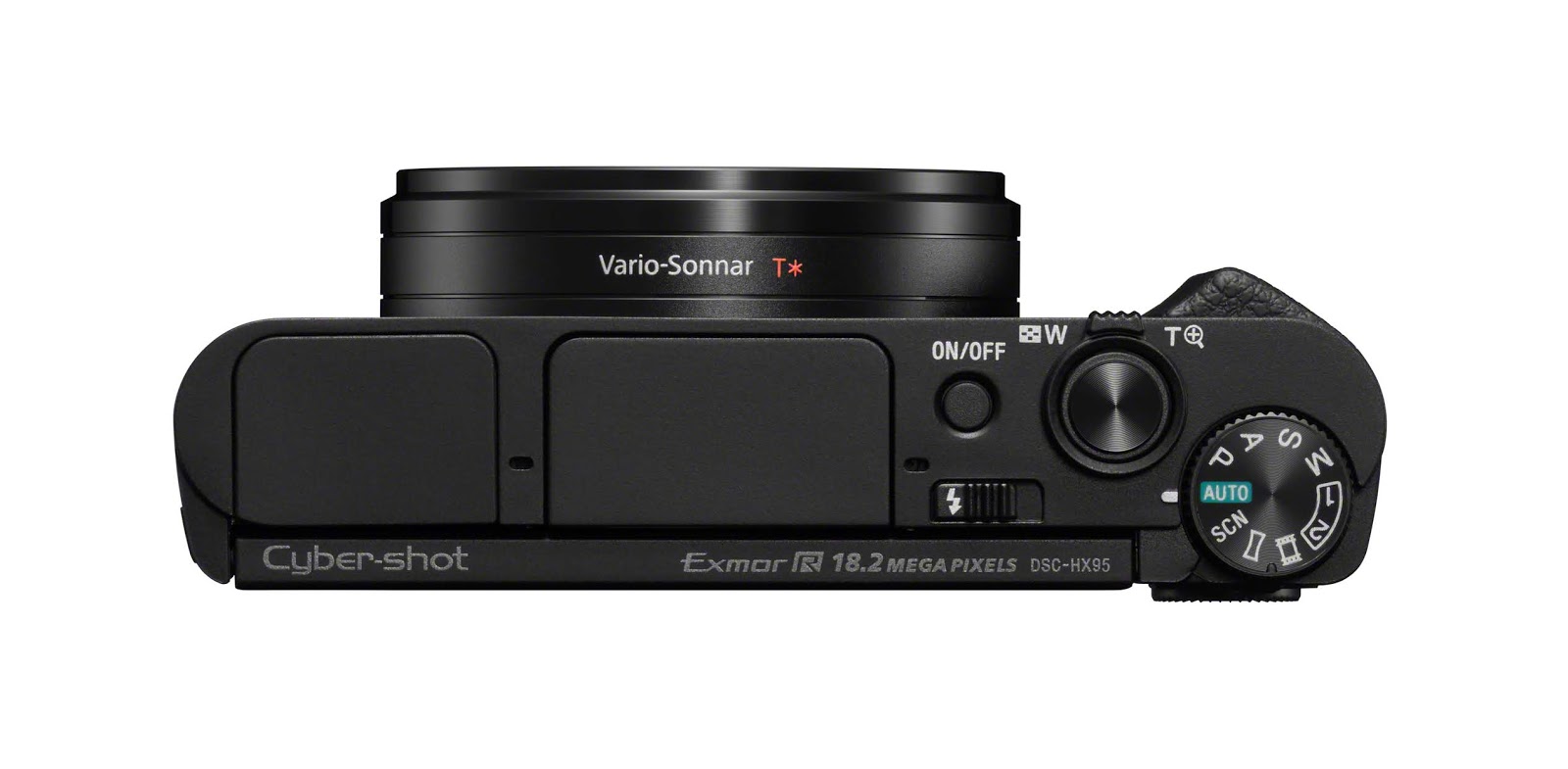
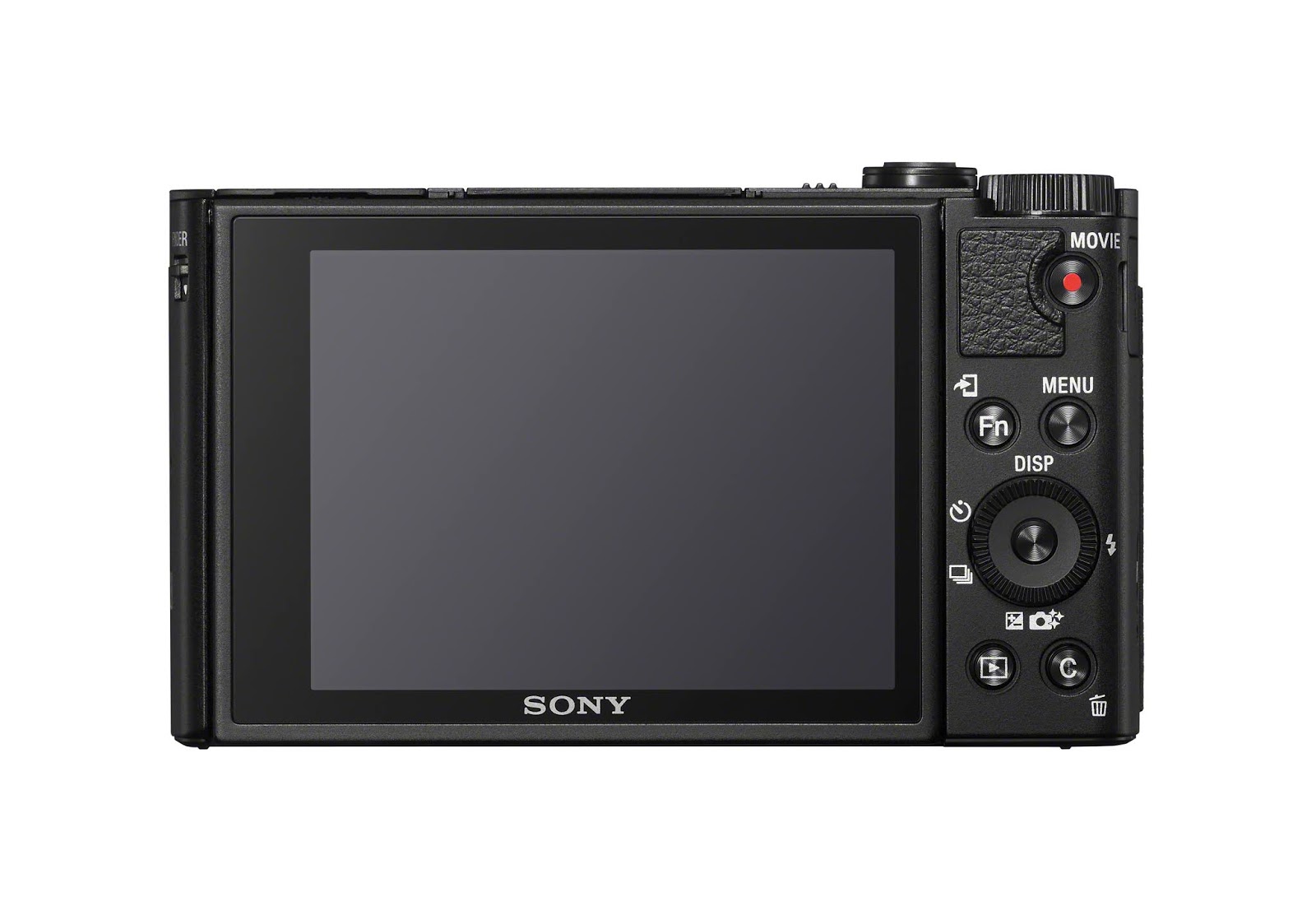
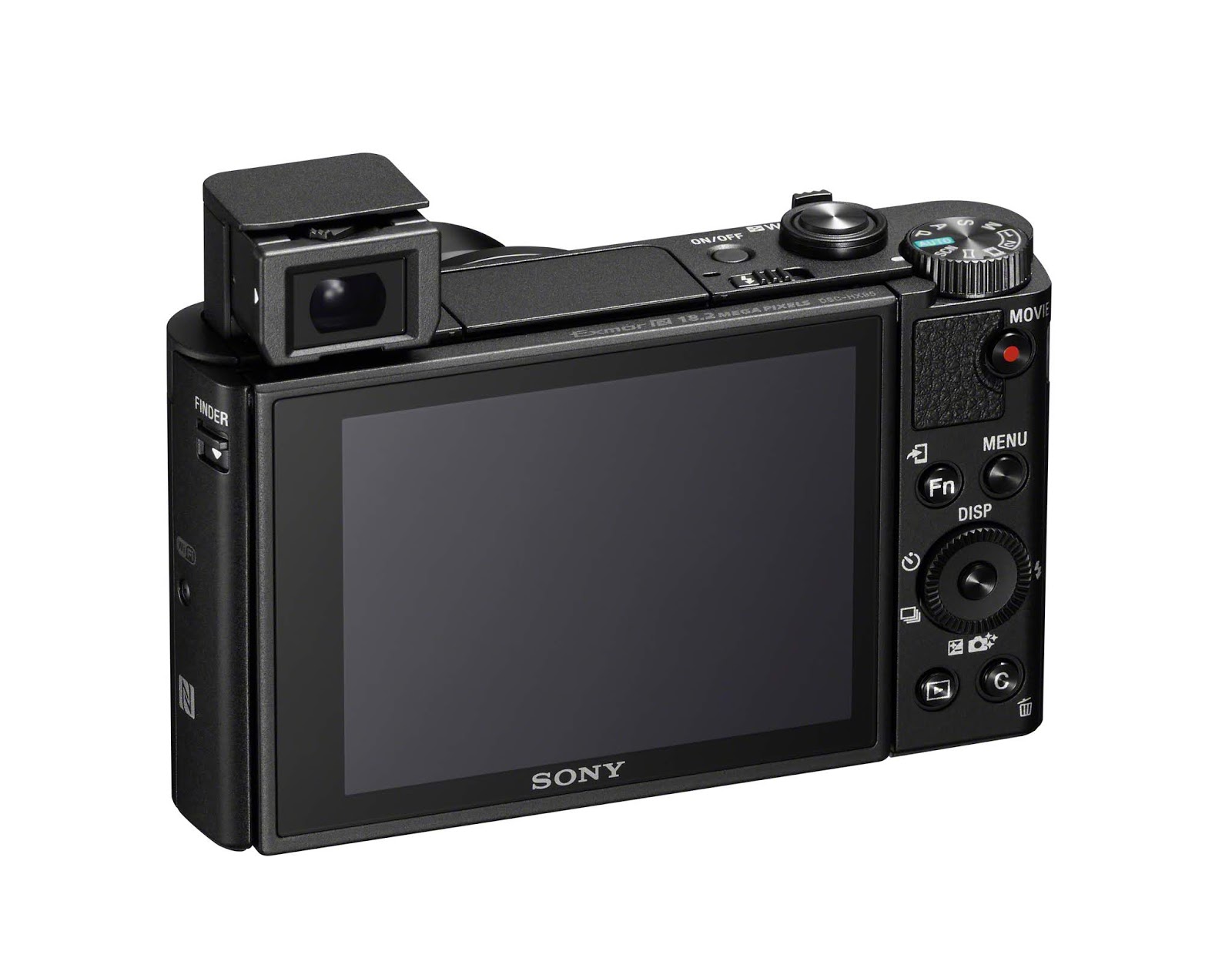
Sony DSC-HX 95 / DSC-HX 99 Coming Sunday
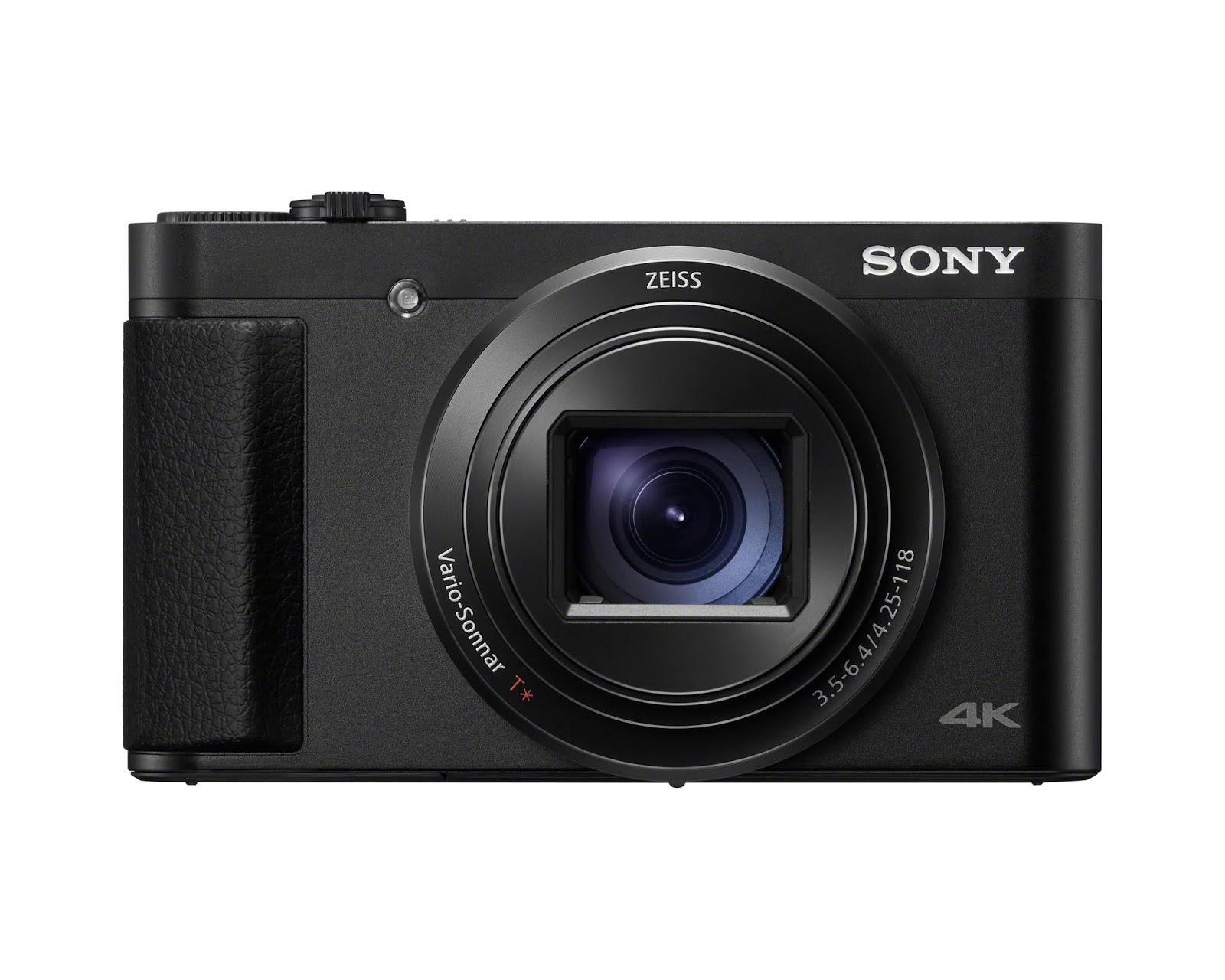
The Sony HX95 and HX99 are most likely the only things being announced tomorrow, but stop by anyway because there could be surprises.
DSC-HX 95 / DSC-HX 99 Specs
- Press release
- ZEISS Vario-Sonnar T * 24-720 mm zoom lens
- BIONZ X processor with front end LSI
- 4K video
- RAW compatible
- Tilt liquid crystal which can be taken by turning 180 degrees
- Improved grip
- Newly support “touch focus” and “touch shutter” (DSC-HX99)
- Overseas release date: September 2018
- DSC-HX 95: 499 euros
- DSC-HX 99: 519 euros
Translated Press Release:
Not just for globetrotters: Sony presents the world’s smallest travel zoom cameras in front
Whether hiking in the mountains, family party or holiday on Sea: The new Cyber-shot cameras DSC-HX99 and DSC-HX95 are with their high quality 24-720 mm ZEISS Vario-Sonnar T * Zoom Objectively adapted to every situation. Filmmakers enjoy the 4K mode with 3840 x 2160 pixels at full readout of the sensor without pixel binning. Of the BIONZ X processor with front-end LSI provides the necessary Power in image processing. And with it all shots easily go by hand, the cameras have wireless such as the eye autofocus. Who likes, can with the DSC-HX99 the focus point or the triggering by touching Control the mobile monitor and even at Using the viewfinder.
Berlin / Vienna, August 30, 2018 .
So much zoom in a compact camera: The DSC-HX99 and DSC-HX95 Cyber-shot cameras with a Zoom from 24 to 720 millimeters are the smallest of their kind worldwide. in the
Inside both models, the BIONZ X processor with front-end LSI the beat before. For example, up to ten pictures are taken in series for a maximum of 14 seconds. the one-piece and 4K videos possible. The autofocus reaches for late test 0.09 seconds in record time. From their big brothers the Alpha series, the two little newbies have Autofocus inherited. Even RAW recordings are possible from now on. who. If you want, you can use the focus point directly on the monitor with the finger or dial with a smartphone connected via Bluetooth Save GPS data as well. Read More
Sony Announcement Coming August 30th at 7:00AM EST

After the announcement of the Sony Touch SD card, a countdown timer was started on Sony’s website for IFA 2018. Stay tuned for the coming announcement and we will carry the stream here when the time comes so don’t forget to join us.
Be sure to follow us on Facebook, Twitter, Instagram, Youtube
Add to Calendar
08/30/2018 07:00 AM
08/30/2018 08:00 AM
America/New_York
Sony IFA 2018
Sony IFA 2018 live stream event
www.sonyaddict.com
08/30/2018 07:00 AM
08/30/2018 08:00 AM
America/New_York
Sony IFA 2018
Sony IFA 2018 live stream event
www.sonyaddict.com
via Sony
Posted in Press releases Leave a comment
Samyang MF 85mm F1.8 ED UMC CS Pre-Orders Start
Sony Officially Announces The Worlds Toughest and Fastest SD Card
Sony SF-G series: B&H Photo / Amazon / Adorama
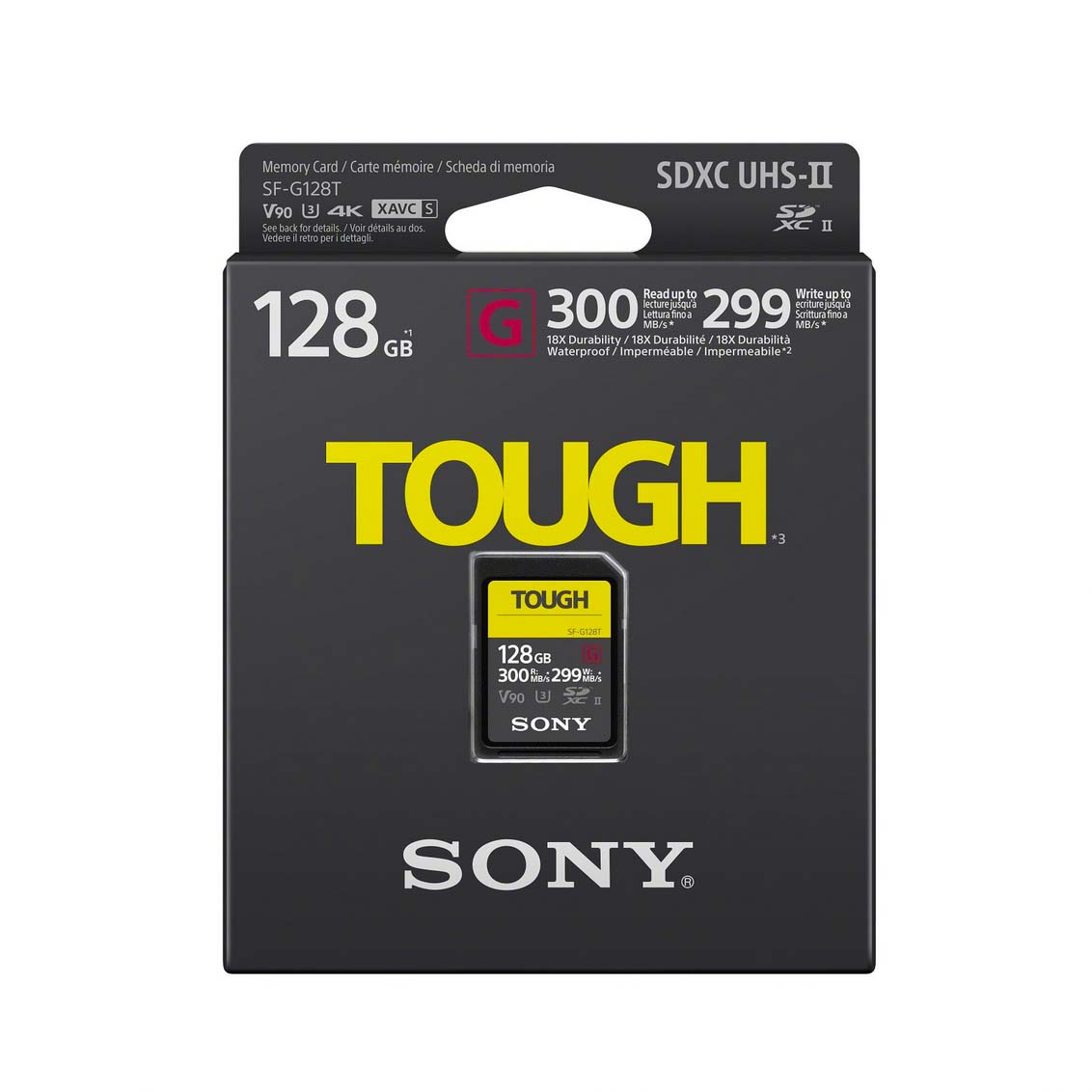
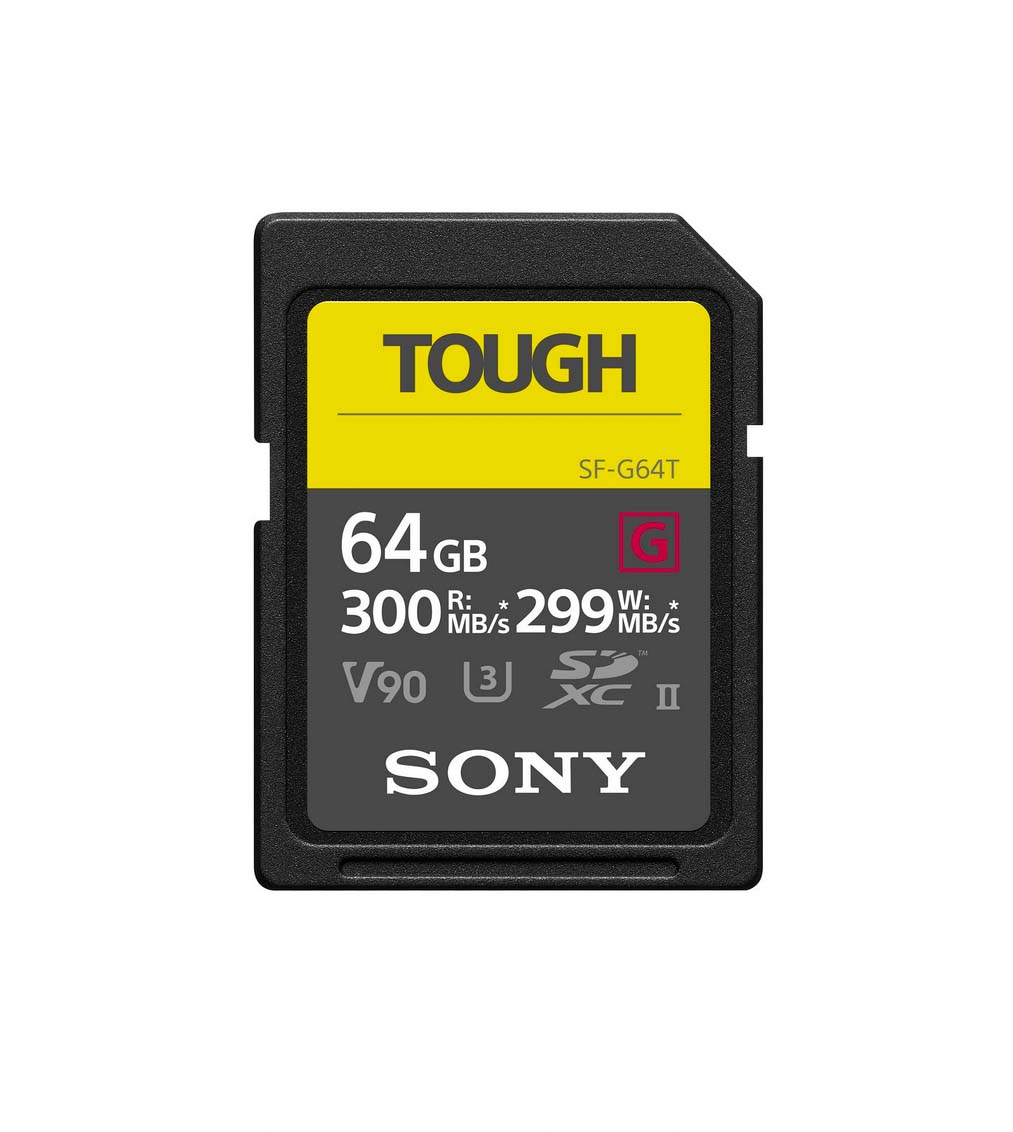
Sony introduces the world’s toughest and fastest SD Card
- World’s toughest[i] SD card is 18x[ii]bend proof[iii] and drop proof[iv]
- World’s first[v] one-piece molding structure for strength and hardness
- Ribless and switchless design ensures there are no fragile components
- World’s fastest[vi] read speed up to 300MB/s and write speed up to 299MB/s[vii]
- Waterproof and dustproof world-class ratings of IPX8and IP6X respectively[viii]
- Keep your work safe with the SD Scan Utility and File Rescue Software
Sony today announced a brand new innovation in storage media with the launch of the “SF-G series TOUGH specification”UHS-II SD card. Addressing the needs of photographers who are reliant upon their photographs remaining safe when their SD cards are removed from the camera, the new SF-G series TOUGH specification range combines the world’s fastest read and write speeds with an ultra-rugged design that is bend proof to 180N, and drop proof to 5 metres. For photographers who are fighting against the elements to get the perfect shot, the SF-G series TOUGH specification range of SD cards are also waterproof with an IPX8 rating and dustproof with an IP6X rating.
The new SF-G series TOUGHspecification range of SD cards are 18 times stronger than the SD standard[ix] with world’s first monolithic structure (one-piece molding, no empty space in the card) and materials of high-grade hardness, unlike conventional SD cards with a thin, 3-part ensemble. They areprotected against typical physical damage that can affect conventional SD cards such as a broken plastic casing, broken data protection lock and broken connector ribs. This has been achieved through a new means that it is the world’s first rib-less SD card with no write protection switch. These developments ensure that the SF-G series TOUGH specificationis more resistant to bending and easy to break parts are removed entirely and has been engineered by Sony to deliver the best balance of hardness and toughness. Completely sealed with one-piece molding structure, no waterdrop, dust or dirt is not allowed to come into the card, meeting highest grade of waterproof (IPX8) and dustproof(IP6X). Read More